


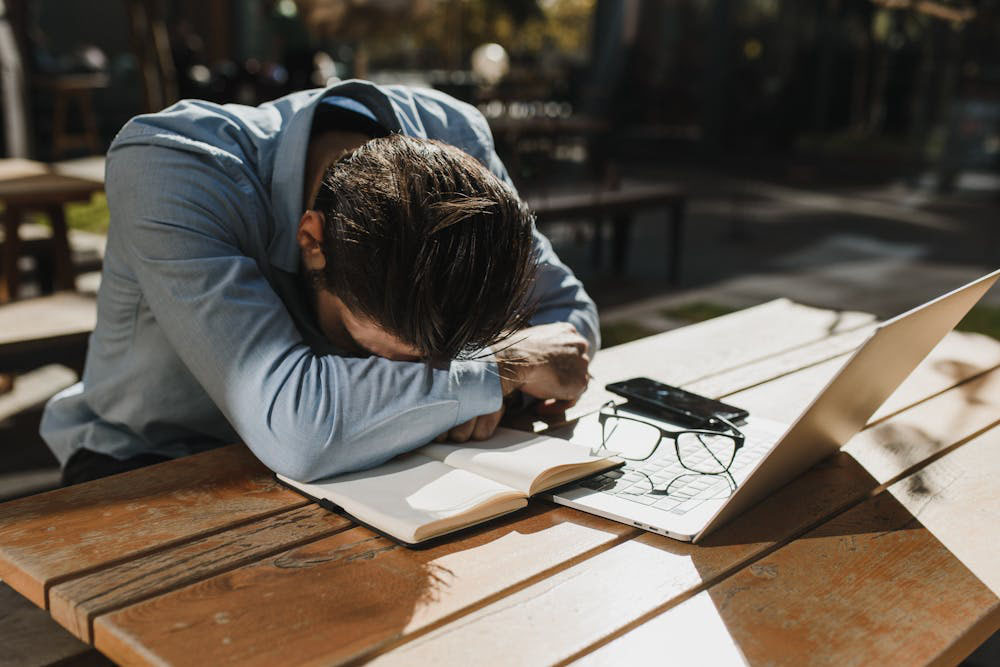
Getting sober is a life milestone to be proud of, but many people are surprised and discouraged when they don’t immediately feel joy, clarity, and peace. Instead of having more energy and enthusiasm, they are emotionally flat, disconnected, or unhappy after they stop using drugs or alcohol.
Celebrate Hope helps our clients understand that this phase is common and temporary. True fulfillment comes from healing your mind, body, and relationship with God.
Why Sobriety Doesn’t Always Feel Good at First
While sobriety removes a significant source of harm, it also removes something your brain is dependent upon. Drugs and alcohol artificially stimulate your innate reward system by releasing a flood of dopamine, the chemical responsible for pleasure and motivation. Over time, your brain will adapt by producing less dopamine on its own.
When you stop drinking and using, it leaves your brain in a temporary deficit state called post-acute withdrawal, which may include:
- Emotional numbness
- Low motivation
- Fatigue
- Difficulty experiencing pleasure
- A sense that life feels meaningless
Understanding Your Brain’s Healing Process
Your natural reward system will need time to recalibrate after months or years of relying on substances to create quick spikes of dopamine. In early sobriety, that takes an enormous amount of behind-the-scenes work.
During this period, dopamine levels tend to run low, stress hormones run high, and the activities that once brought you joy may feel muted or strangely distant. That’s not because you’re doing something wrong – it’s that your brain needs time to learn how to experience pleasure and motivation without chemical shortcuts.
Emotional flatness can be one of the most uncomfortable parts of early recovery. When nothing is rewarding, it’s easy to assume you’ve made a mistake and your sobriety isn’t “working” as it should. That misunderstanding makes this phase risky, since feeling numb or unfulfilled can tempt you to question whether you ever had a problem or push you toward old habits to feel something again.
This stage may seem like a setback, but it’s a sign of healing. Pleasure will gradually return as your brain stabilizes. Recognizing this period for what it is can help you stay grounded, avoid panic, and keep making progress one day at a time.
What Helps During This Phase
Use these practical steps to shore up your spirituality while your brain heals.
- Stay consistent: Following a routine will stabilize your mood and energy levels.
- Try small, meaningful activities: Even if they don’t feel rewarding at first, consistency retrains your brain.
- Stay connected: Isolation makes emotional flatness worse.
- Be patient: Healing takes time, but it is happening.
- Lean into your faith: Spiritual practices can provide peace even before your emotions fully return.
“Those who hope in the Lord will renew their strength.” – Isaiah 40:31
The Value of Extended, Faith‑Based Treatment
Sobriety removes harmful substances from your daily life, but it doesn’t automatically fill the void that addiction once occupied. Recovery is your chance to reconnect with your purpose and your higher power.
Through prayer, Scripture, and Christian community, Celebrate Hope clients discover a joyful, renewed identity rooted in Christ. When you learn to attain an inner peace without drinking or using, you can sustain long‑term recovery.
Celebrate Hope clients receive:
- Faith-based counseling to process emotional and spiritual changes
- Community to replace isolation with connection
- Life skills training to create stability and healthy routines
Feeling unfulfilled after getting sober can be unsettling, but it’s not permanent. It’s a necessary part of healing your brain and rebuilding your life. If you are struggling in early recovery, you don’t have to go through it alone. Contact us today to learn about the benefits of faith-based recovery.